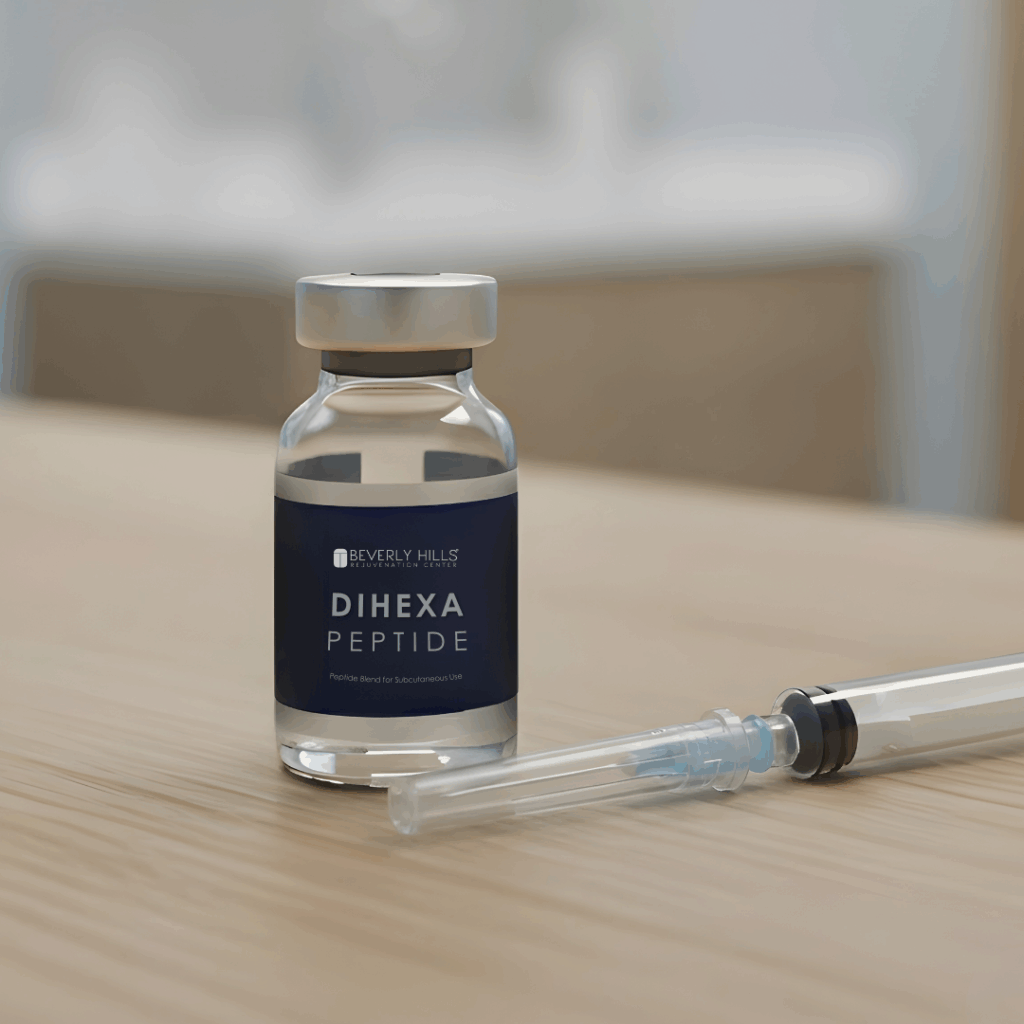
They are not simply two names for the same healing peptide. The clearest way to see the divergence is by the kind of neuro-outcome each is best evidenced for: BPC-157 is best supported for peripheral-nerve regeneration and CNS neuroprotection : accelerating axonal regrowth in transected peripheral nerve, sparing tissue and limiting edema after brain and spinal-cord injury, and supporting repair through VEGFR2/NO-mediated angiogenesis, with an additional braingut neuromodulatory layer
The accelerating effect in migration is consistent with a previous study that was conducted in tendon fibroblasts
Musculoskeletal applications represent another extensively researched area for GLOW Blend components, particularly for investigating tendon, ligament, and muscle repair mechanisms
While BPC 157 is generally well-tolerated, there are some risks and considerations to keep in mind: Potential Side Effects: Some individuals may experience mild side effects, including nausea or changes in appetite
Reported mechanisms should be read as hypotheses from laboratory and animal data