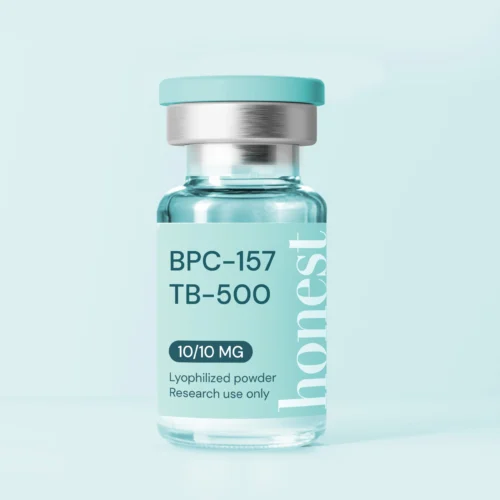
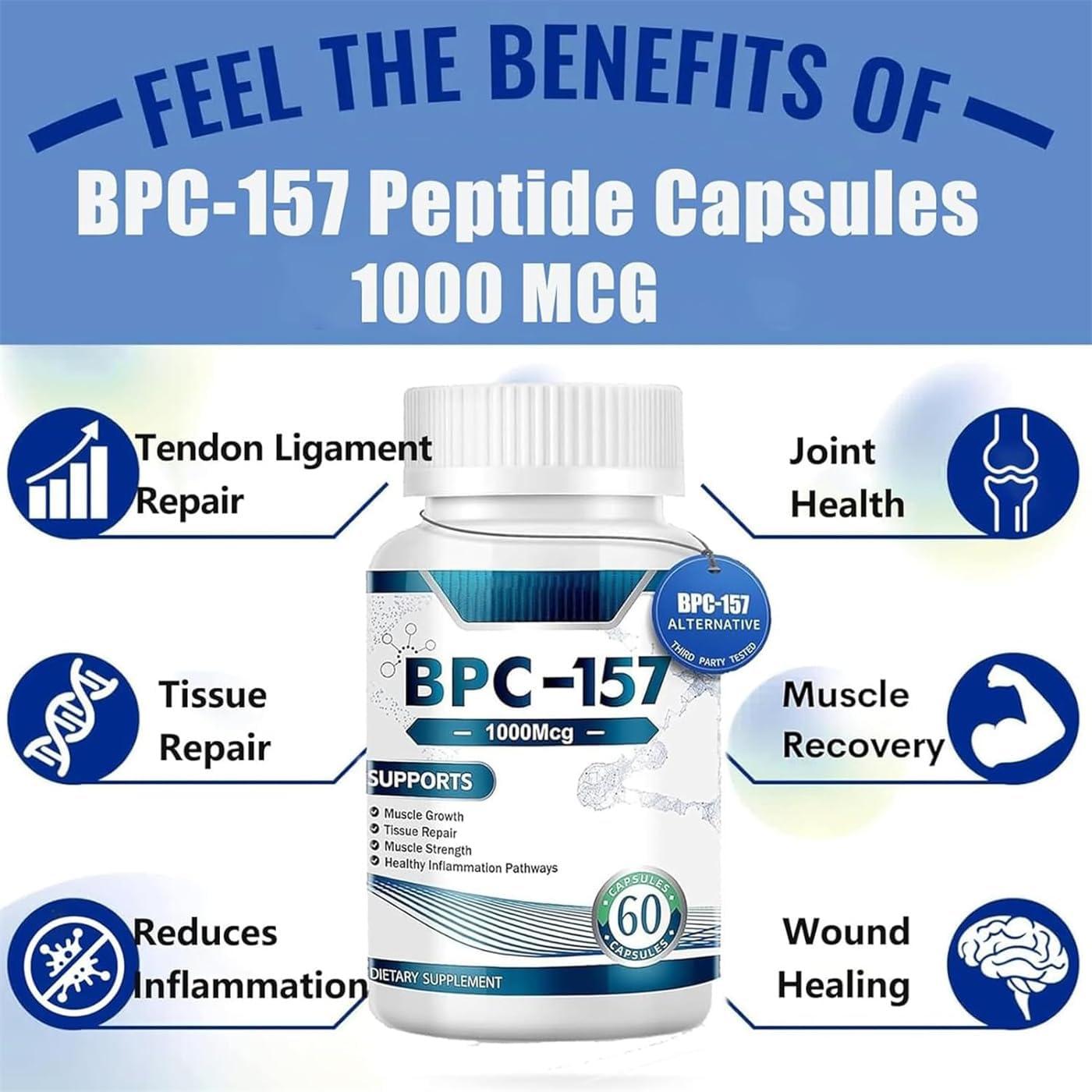
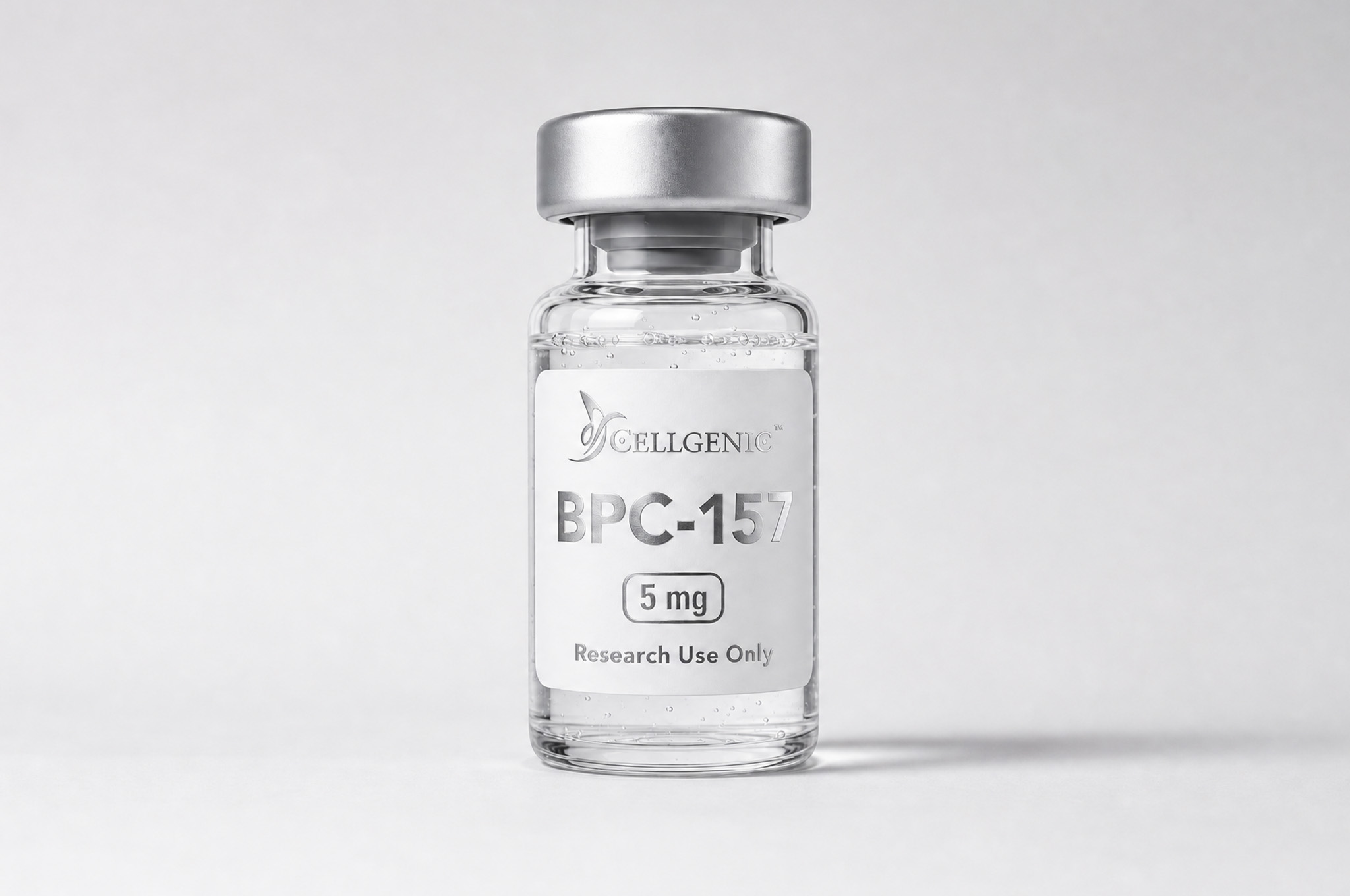
This stack is widely studied because it combines two different regenerative pathways
BPC157 is not authorized for use by Service Members and is considered a prohibited substance. Operation Supplement Safety (OPSS), U.S
The platform offers tools and guides addressing every aspect of peptide handling from receipt through final use
Common reconstitution volumes: 20mg vial + 2mL BAC water = 10mg/mL concentration 40mg vial + 2mL BAC water = 20mg/mL concentration 40mg vial + 3mL BAC water = 13mg/mL concentration Add diluent slowly: Insert the needle into the vial at an angle and allow the water to flow down the inside wall of the vial
Why peptides are trending in pain and regenerative medicine What patients are asking and what physicians need to know Origins of Body Protection Compound-157 Mechanisms: angiogenesis, inflammation modulation, tissue repair Summary of preclinical data and animal pain models Early inflammatory and non-inflammatory pain studies Intra-articular BPC-157 for knee pain: what the case series showed Why current human data are hypothesis-generating, not definitive FDA status and investigational use Quality, purity, and dosing variability Theoretical biologic risks and drug interactions How peptides are marketed in regenerative clinics Cash-based models and patient demand Ethical marketing, informed consent, and medicolegal exposure Where peptides fit and dont fit in current pain practice Why evidence still matters in regenerative medicine BPC-157 shows promising preclinical data , but human evidence remains limited Current studies lack randomization, controls, and long-term outcomes Peptides are not FDA-approved for pain or musculoskeletal indications Marketing peptides without transparency poses ethical and legal risk Physicians must clearly distinguish experimental therapies from standard of care Jzwiak et al