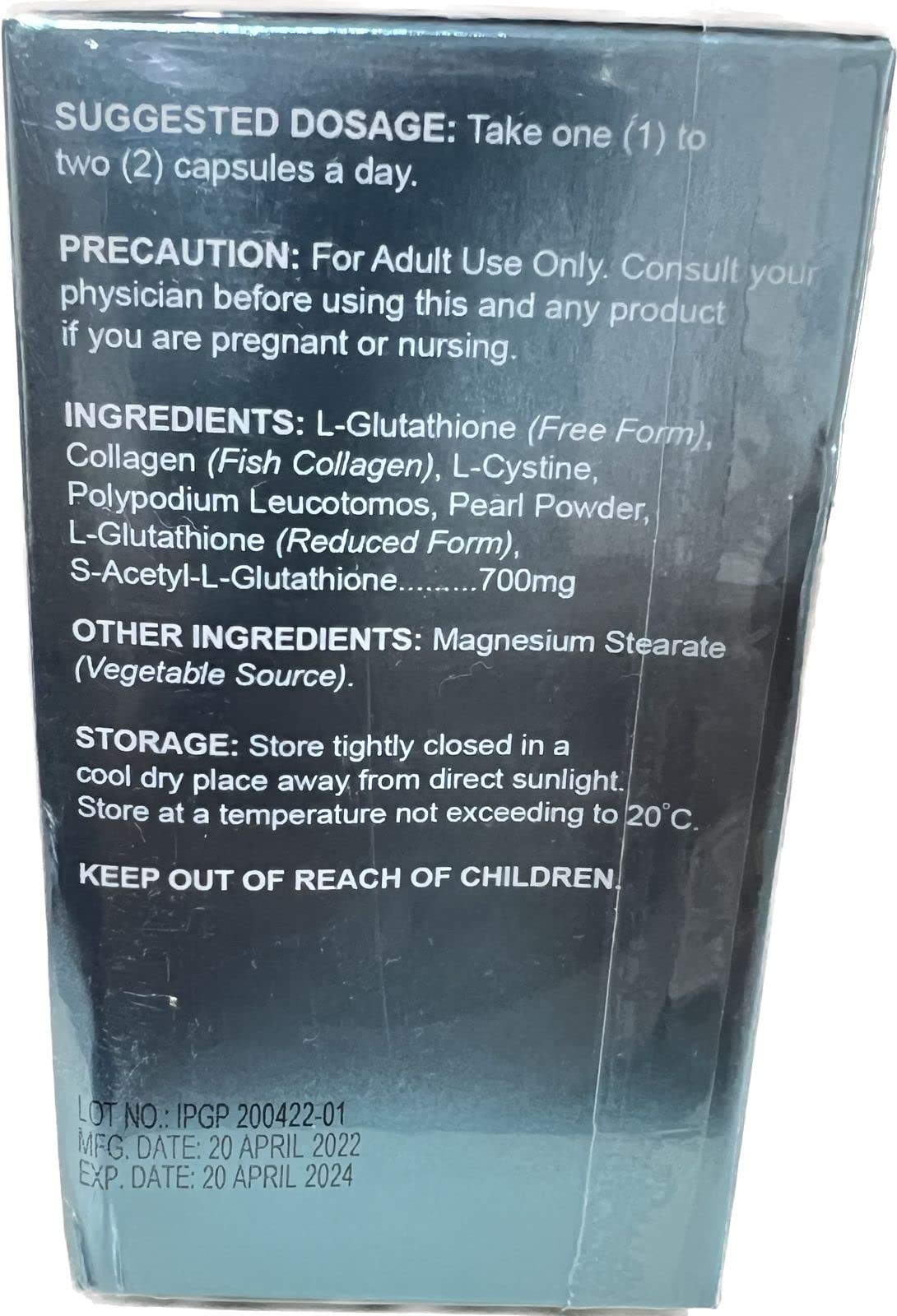
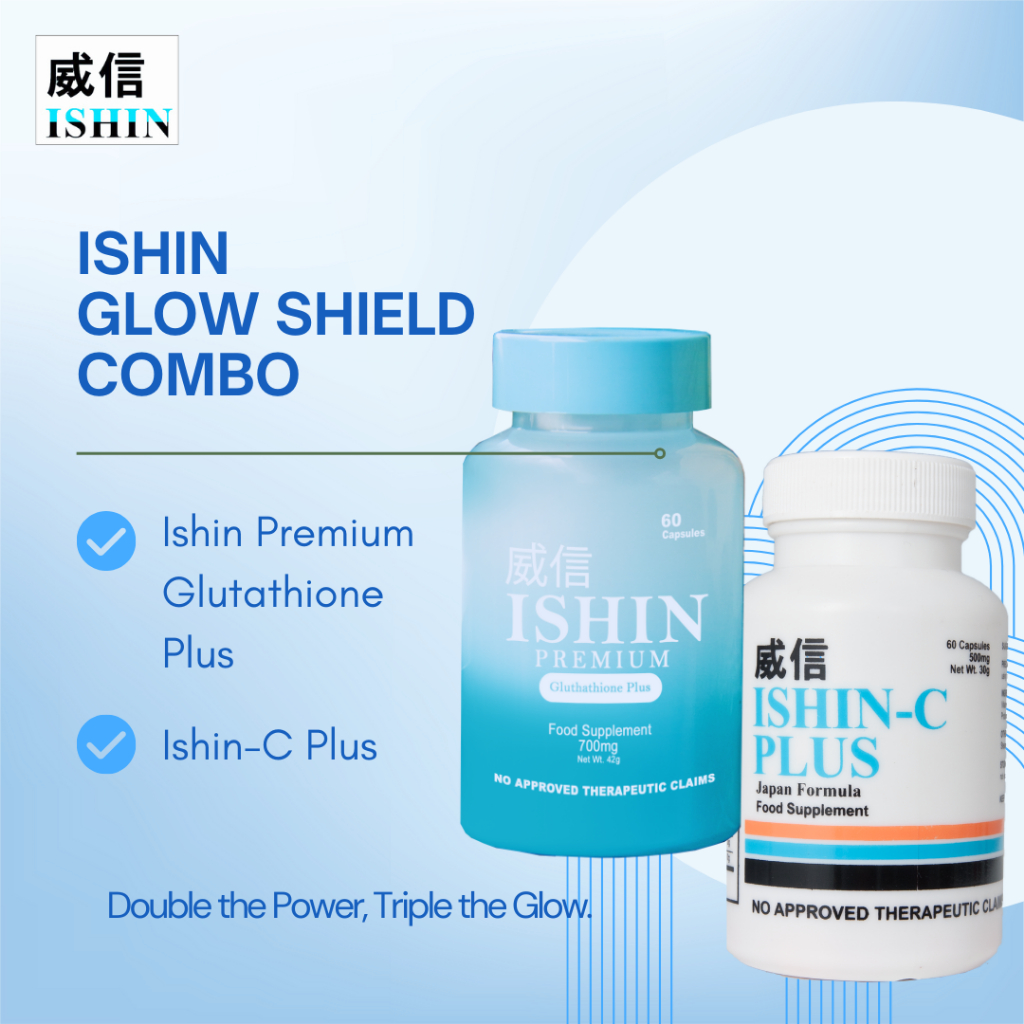
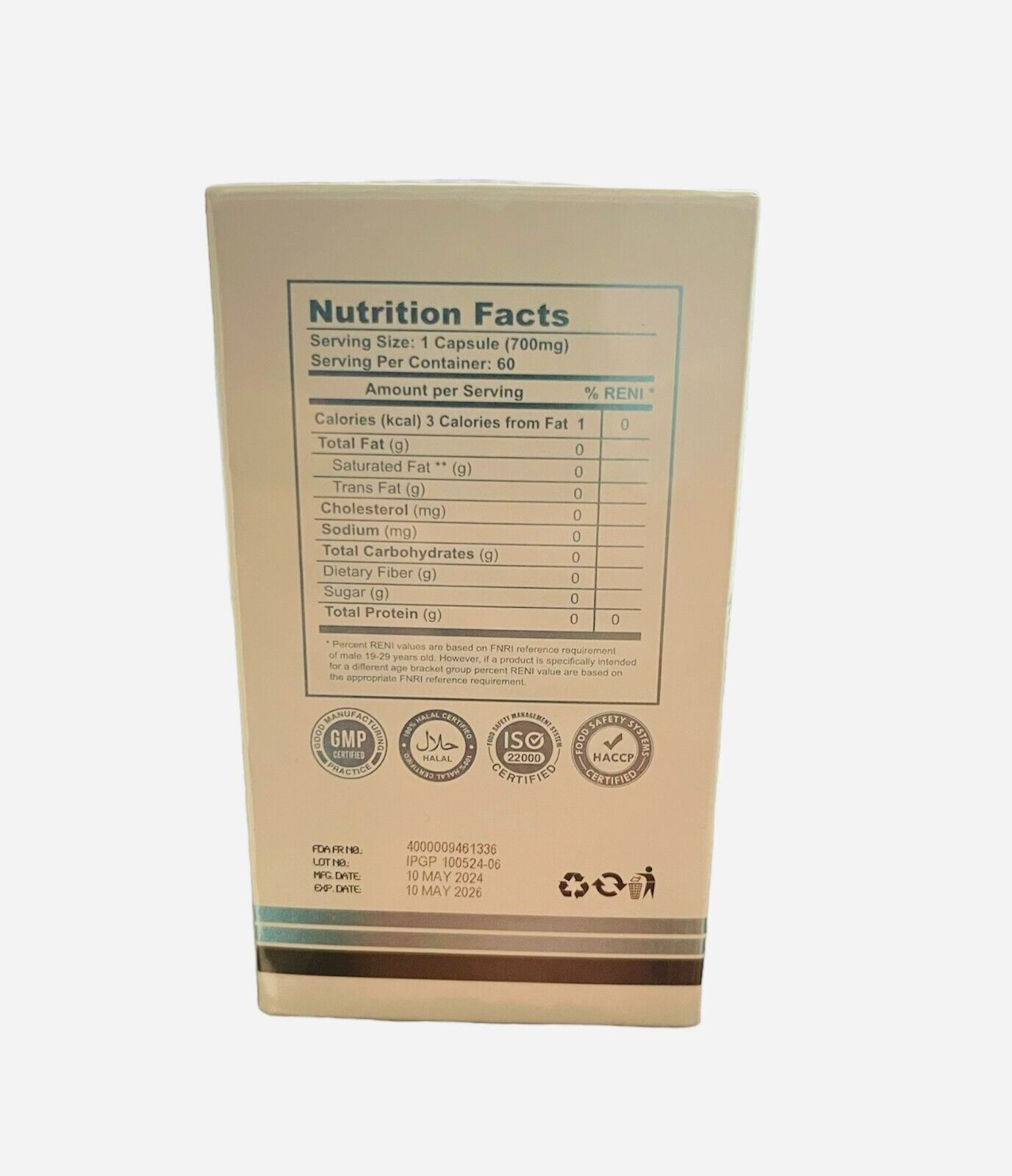
When applied regularly, they work at their best
If the peptide was reconstituted and the temperature exceeded 15C for more than 6 hours, assume significant potency loss and consider replacing it
Featured Ingredients: B-complex, Vitamin C, Magnesium, Calcium Defy Age, Inside & Out Anti-Aging IV + NAD+ Injection Therapy
This method is highly valuable for discovering new targets for existing drugs, explaining polypharmacology, identifying molecular mechanisms, and finding alternative indications for drugs through repositioning.^5^ The approach relies on spatial and energy principles to dock a query molecule into the active pocket of each protein in a 3D structure database, identifying strong interaction partners.^19^ Ligand-Based Methods: Molecular Similarity Ligand-based drug discovery operates on the principle that "similar ligands exhibit the same mechanism of action on the same target."^5^ This approach proves particularly useful when protein 3D structures are unknown.^19^ Chemical similarity searching forms the core technique, where compounds are represented by 2D fingerprintsbinary vectors encoding molecular featureswith similarity measured using metrics like Tanimoto similarity.^20^ By comparing a query molecule's fingerprint to those in databases of known ligands annotated with target information, potential targets can be inferred.^19^ Pharmacophore screening identifies key 3D features of a molecule responsible for its biological activity (e.g., hydrogen bond donors/acceptors, hydrophobic centers) and searches databases for molecules matching this pharmacophore.^19^ These methods are generally simpler and faster than reverse docking, providing complementary comprehensive views of potential targets.^19^ Network Pharmacology and AI/ML Approaches Network pharmacology has emerged as a powerful approach, analyzing large-scale data to construct complex networks of drug-target interactions, protein-protein interactions, and disease pathways, often identifying "hub proteins" that play central roles in disease mechanisms.^3^ The integration of artificial intelligence (AI) and machine learning (ML), particularly deep learning, has significantly advanced target prediction.^5^ ML algorithms learn complex patterns from vast datasets of known interactions to predict interaction likelihood between proteins and ligands.^8^ Deep learning models excel at processing high-dimensional data for classification, regression, and feature selection in drug discovery.^8^ Frameworks like DeepChem facilitate applying deep learning to molecular and quantum datasets, accelerating computation with GPUs.^24^ These AI-driven approaches handle large data volumes, provide high-throughput screening of numerous candidate targets, and support personalized drug development by integrating various "omics" technologies.^4^ Paracetamol's Remarkable Polypharmacological Landscape Recent computational analyses have revealed paracetamol's true molecular complexity

E., Marston, N