Adjusting Your Dose Increase if +You've tolerated the current dose for the recommended period without significant side effects +Therapeutic goals haven't been met at the current dose level +Your healthcare provider recommends dose escalation based on your response +Lab work or clinical assessments support a higher dose Decrease if -Side effects are bothersome or impacting daily life despite management strategies -You experience any signs of an adverse reaction -Lab results indicate the need for dose reduction -Your healthcare provider recommends a lower dose based on your response Signs of right dose Therapeutic goals being met with minimal side effects Stable and consistent response to treatment Lab values or clinical markers trending in the right direction Good tolerance with manageable or absent side effects Dosing Calculator Calculate Your Exact Dose Step 1: Peptide Weight Find the weight printed on your peptide vial label Look here

Study Design Type: Phase 2, double-blind, randomized, placebo-controlled study Participants: 338 adults (BMI 30 or BMI 27 with a coexisting condition) Groups: Retatrutide 1 mg, 4 mg, 8 mg, 12 mg (different initial doses 2 or 4 mg) and placebo Duration: 48 weeks (plus 4 weeks follow-up) Administration: subcutaneous, 1x weekly Primary endpoint: percentage change in body weight at week 24 Secondary endpoints: change in weight at week 48, 5%, 10%, 15% weight reduction
Q: What purity level is required for research-grade BPC-157
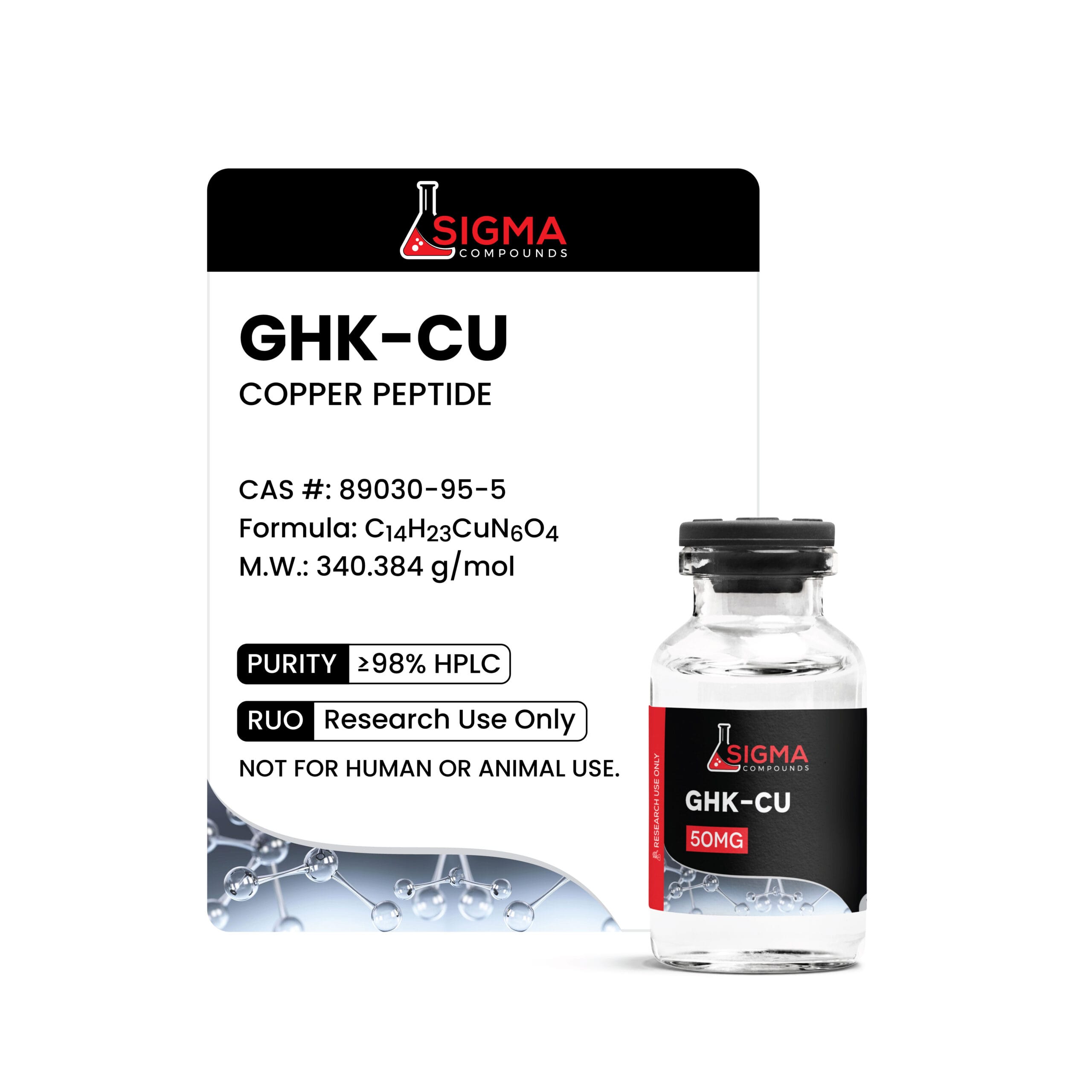
GHK-Cu timelines differ based on administration route
Through decades of practice, the concentration of 0.9% has become established as a value that provides reliable bacteriostatic protection while remaining gentle to most peptide structures