If the half-life is genuinely under 30 minutes, the compound is cleared too rapidly
It was demonstrated that adaptogens trigger the generation of hormones (cortisol, corticotropin-releasing hormone (CRH), gonadotropin-releasing hormones, urocortin, neuropeptide Y), playing critical roles in metabolic regulation and homeostasis and protecting against stress-related damage without overstimulating or suppressing normal biological processes [25,27,28,29,30,67,87,194,195,196,197,198]
For the practice wellness program, see NAD Plus, GHK-Cu, and the Peptide Wellness Program at Southwest Plastic Surgery
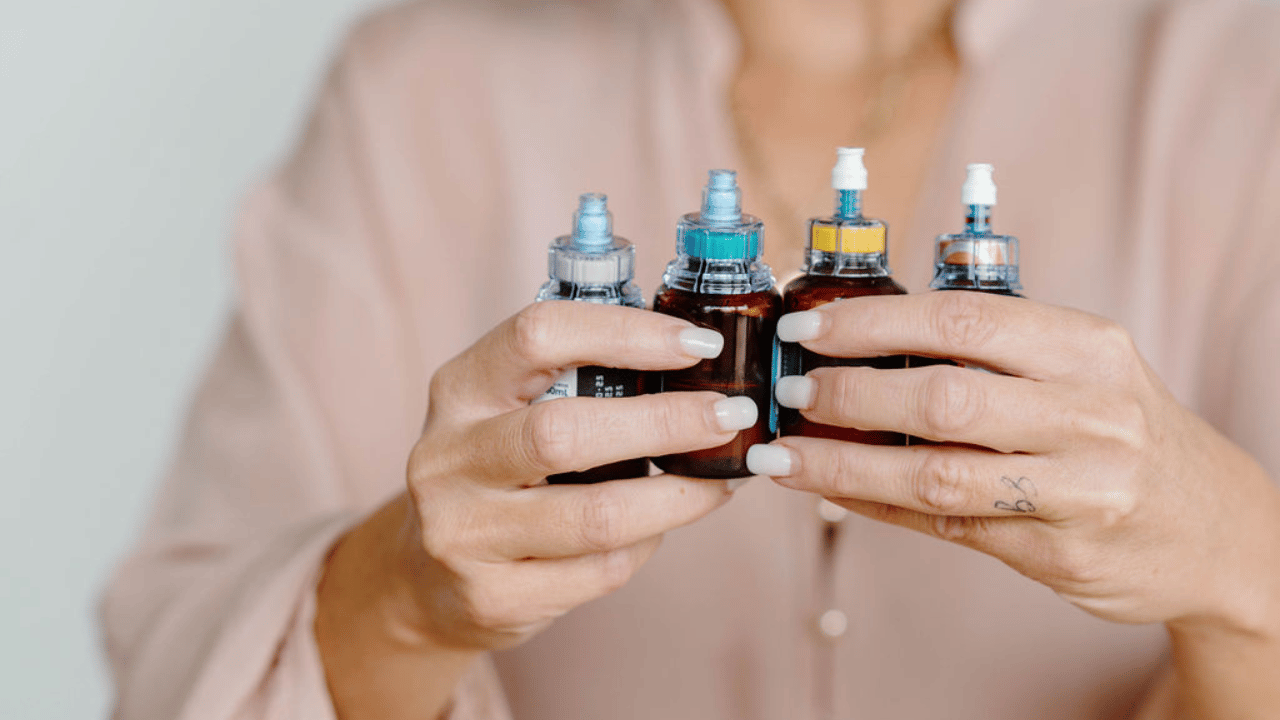
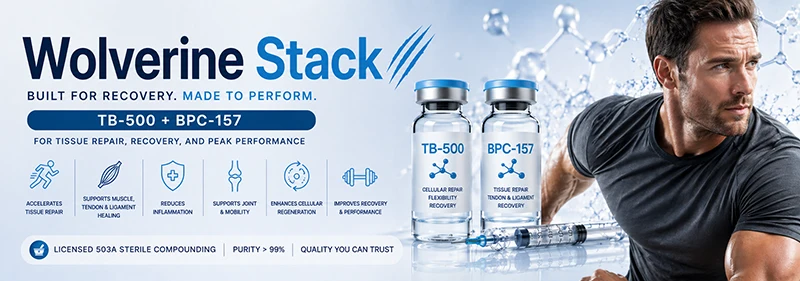
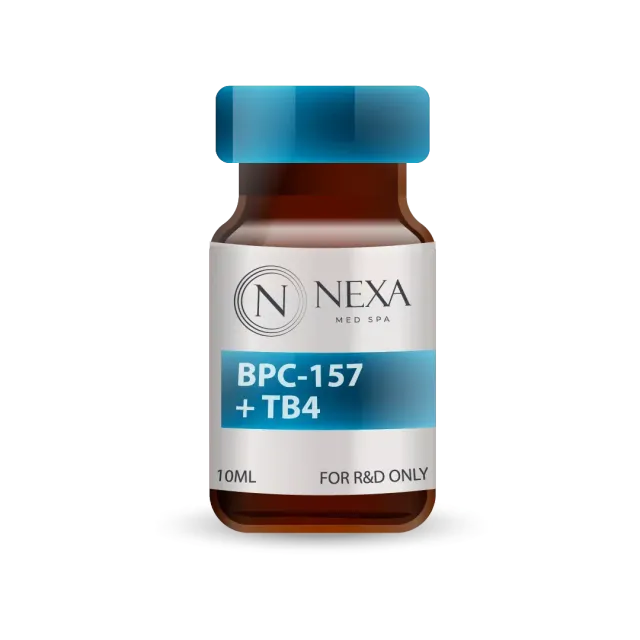
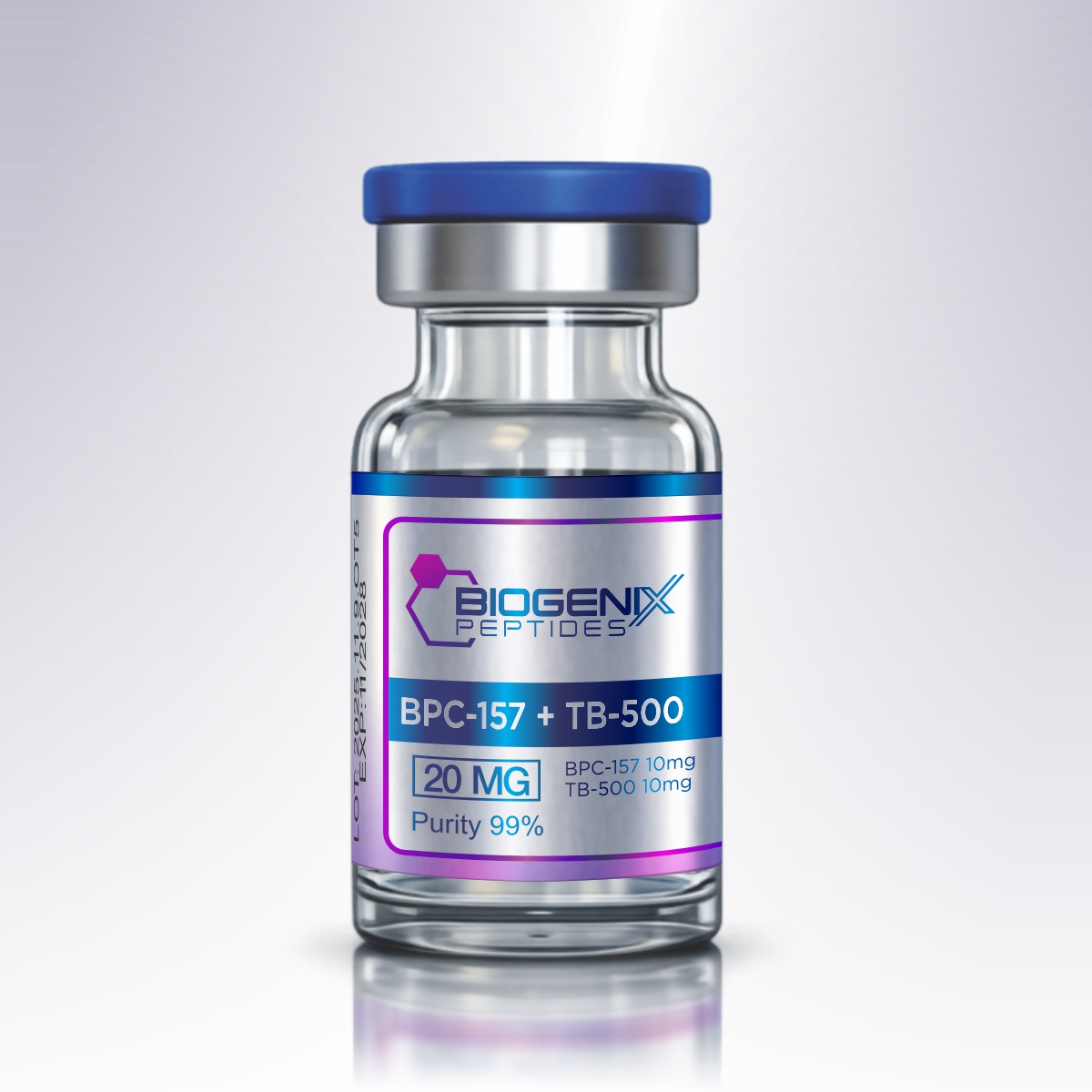
others take 2-3 weeks Mild injection site reactions (if applicable) are common and self-limited Phase 3: Active Healing Phase (Weeks 3-8) Progressive improvement in symptoms For musculoskeletal conditions, this is the optimal window for physical therapy and rehabilitation For GI conditions, patients often begin reintroducing previously problematic foods Phase 4: Consolidation (Weeks 9-12+) Continued structural healing Transition to maintenance dosing if appropriate Decision point for stacking with TB-500 if additional systemic support is needed Phase 5: Transition and Maintenance Tapering off peptides after goal achievement Maintenance protocols for chronic conditions (e.g., 3 months on, 1 month off) Coordination with long-term wellness strategies (nutrition, exercise, stress management) For more information on conditions that may benefit from this approach, visit my Conditions Treated page
Studies show the peptide counteracts both arterial and venous thrombosis