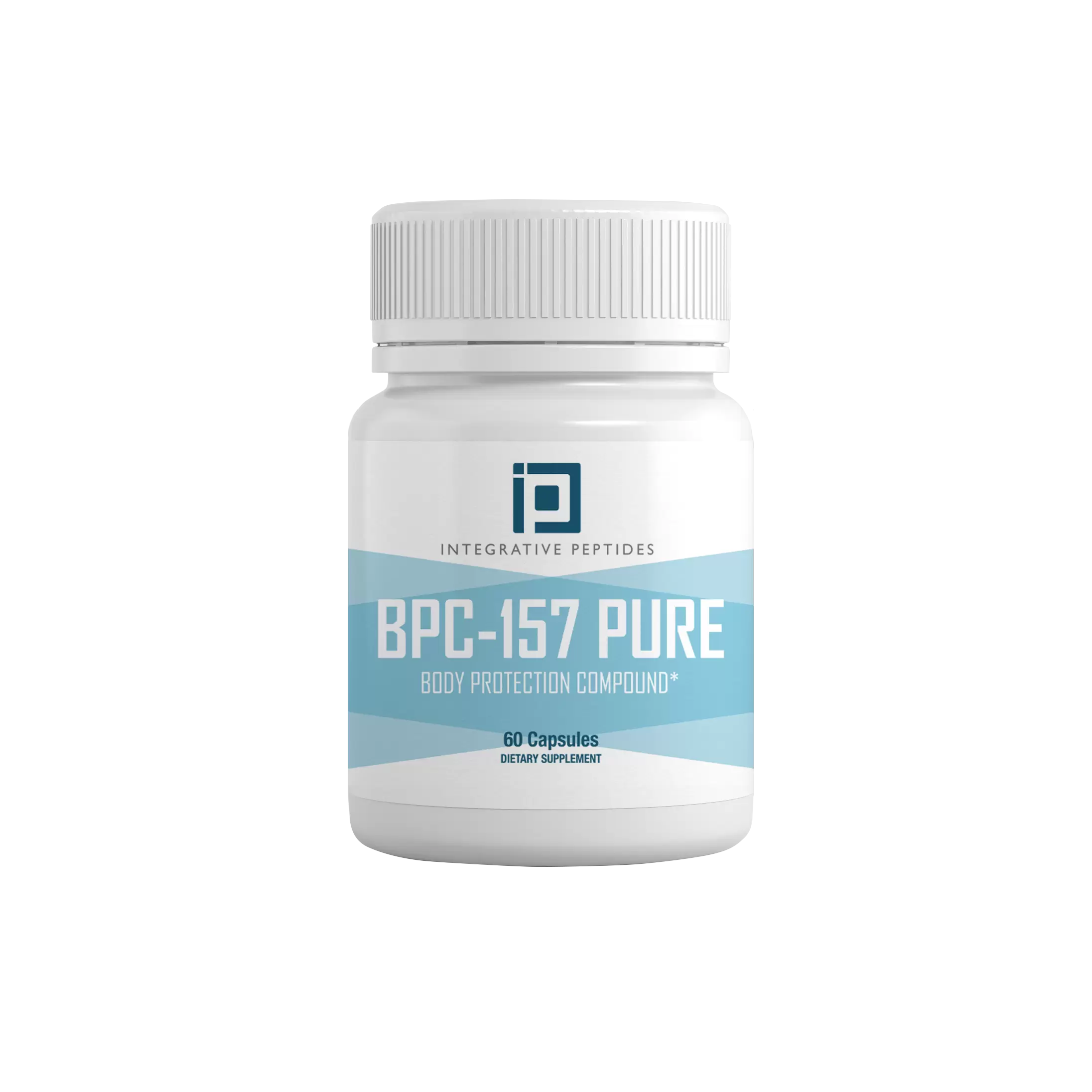
The Promising Findings GHK-Cu has the most robust human evidence, particularly for topical skincare applications BPC-157 shows impressive results in animal studies for wound healing, collagen production, and tissue repair Peptides generally have favorable safety profiles in the studies that exist The mechanisms make biological sense: peptides do play real roles in healing The Limitations Most studies on BPC-157 and TB-500 are animal-based, not human There are no standardized dosing protocols for most injectable peptides Long-term safety data in humans is limited Many peptides are not FDA-approved for cosmetic or surgical recovery purposes Quality control varies widely between compounding pharmacies Important: Many injectable peptides are classified as research compounds and are not approved for human use outside of clinical trials
It has gained significant attention for its ability to support appetite control, promote earlier fullness, and improve blood sugar regulation
Below, weve ranked the most effective peptide and functional medicine approaches for hair restoration based on our clinical experience and the current research
Angiogenesis (Blood Vessel Formation): It promotes the formation of new blood vessels by stimulating VEGF (vascular endothelial growth factor), enhancing wound healing
It can also reduce the risk of spinal and nervous system defects