Prolonged use of corticoids may result in posterior subcapsular cataracts, glaucoma with possible damage to the optic nerve and may enhance the establishment of viral and fungal infections
Collagen is a critical protein that maintains skin elasticity and firmness, and peptides can aid in its production, speeding up the recovery process from injuries, wounds, and surgical scars
Choose a convenient appointment slot that fits your schedulemorning, evening, or weekend consultations available
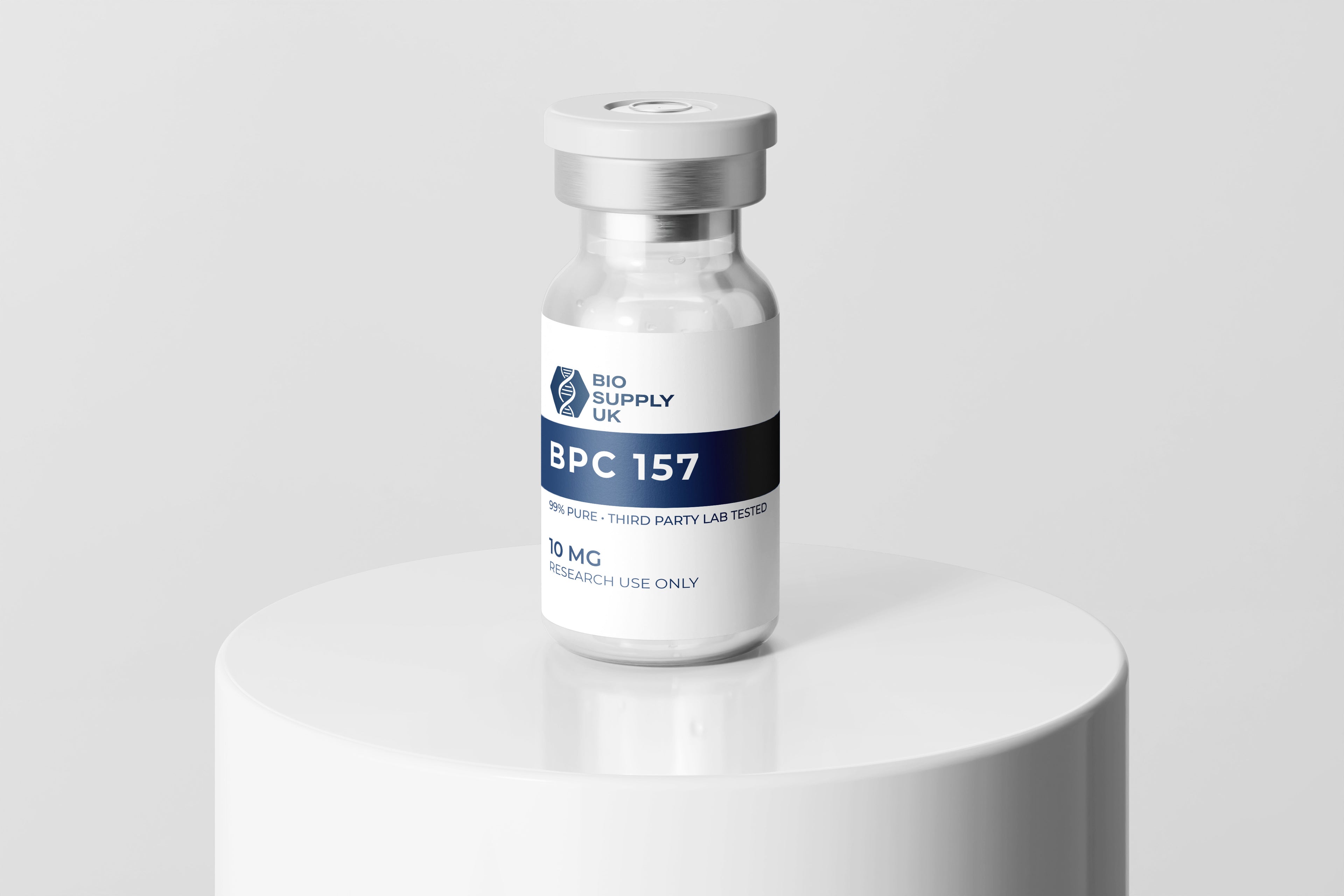
Thereby, BPC 157 was tested in rats subjected to cysteamine enema + colon-colon anastomosis colitis (9-11) and over-dose cuprizone application, a multiple sclerosis suited toxic experimental model (12)

Needle sizes most commonly used at the RCH include: 25g x 25mm ORANGE 23g x 25mm BLUE 21g x 38mm GREEN Equipment Appropriate size needle for administration Drawing up needle and syringe (if medication not pre-filled) Sharps container Alcohol impregnated swab (if area visibly soiled) Cotton ball Band-Aid (check for allergies) Personal Protective Equipment (PPE) for hazardous medications or infectious patients The procedure Prepare patient and obtain consent Perform the five moments of hand hygiene Prepare equipment as per Aseptic Technique Complete the six rights of medication administration Don PPE if required (particularly for hazardous medications) Draw up or prime medication as per Paediatric Injectable Guidelines Position patient in a safe and comfortable position Procedure Management Guideline Consider the use of comfort techniques such as distraction, buzzy bee, ice or a countdown Landmark injection site (see above) Clean site with an alcohol swab (if required) Stretch the skin flat (Z-tracking if applicable) Inject the needle to the hub at a 90-degree angle Do not aspirate or drawback as this can increase pain and discomfort in children Inject the medication at a slow and steady pace Remove the needle and apply a cotton ball Place the needle in a sharps container Apply Band-Aid Remove PPE (if required) Perform the five moments of hand hygiene Special considerations Monitor for immediate adverse reactions, e.g., fever, rash, vomiting, shortness of breath