Proper storage of NAD+ Injection is essential to maintain its stability, sterility, and potency
I don't care what it is
Researchers should always utilize a new, sterile needle and syringe for each withdrawal to minimize the risk of cross-contamination
Introduction Introduction GHK-Cu ( glycyl-L-histidyl-L-lysine : copper ) is a naturally occurring tripeptide-copper complex commonly known as the copper peptide. First identified in the 1970s, GHK-Cu is present in human plasma, saliva, and urine and has become a major research focus for its potential roles in skin repair, hair growth, wound healing, and tissue regeneration. Preclinical and cosmetic-science studies suggest that GHK-Cu supports collagen synthesis, angiogenesis, and anti-inflammatory and antioxidant responsesmaking it one of the most widely studied peptides in regenerative biology. GHK-Cu Fast Facts Type: Naturally occurring tripeptide (Gly-His-Lys) complexed with copper (Cu) Discovered: 1973 Dr
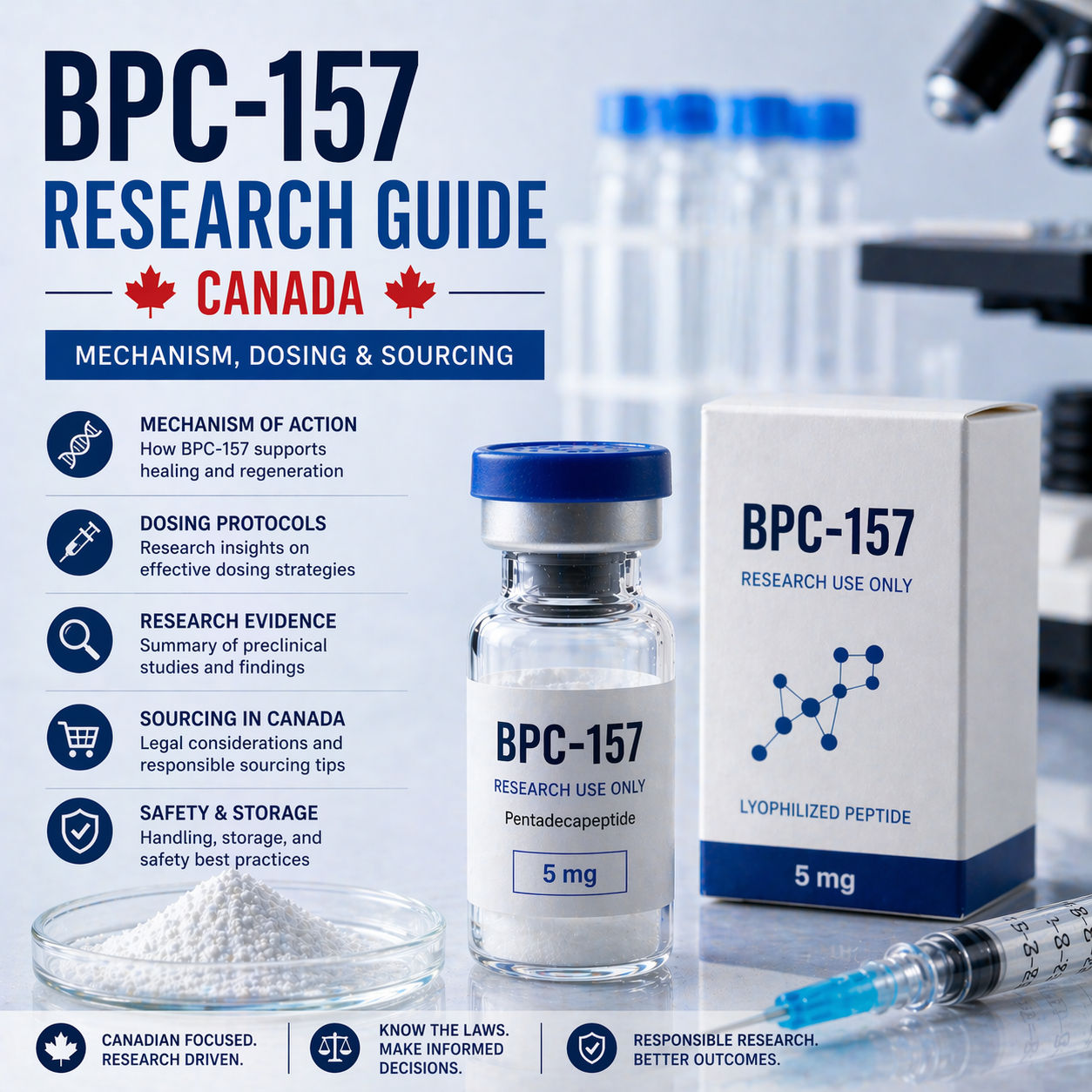
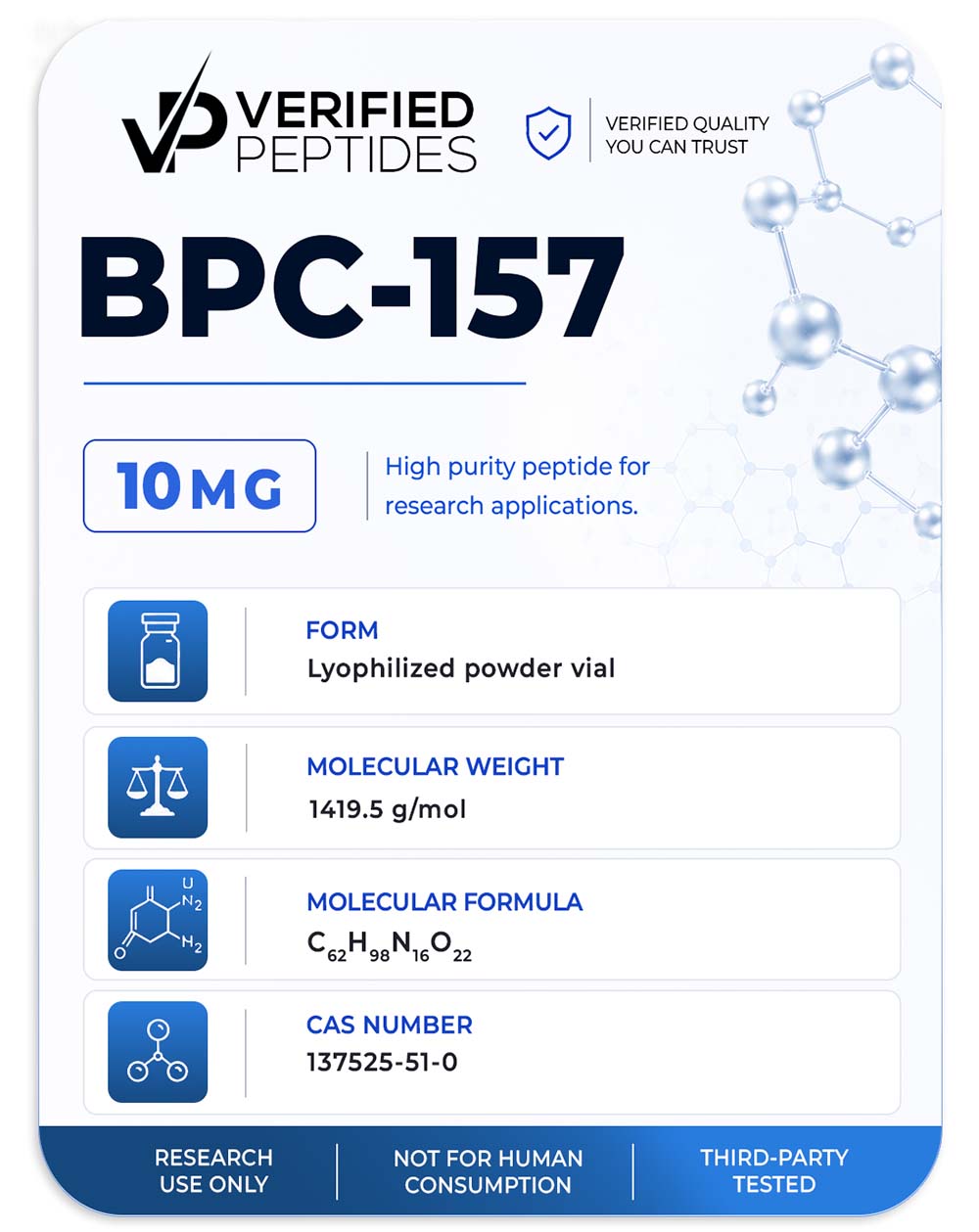
In laboratory settings, BPC-157 peptide is frequently explored for its interaction with inflammatory pathways, tissue regeneration processes, and cellular signalling mechanisms , particularly in musculoskeletal and gastrointestinal models