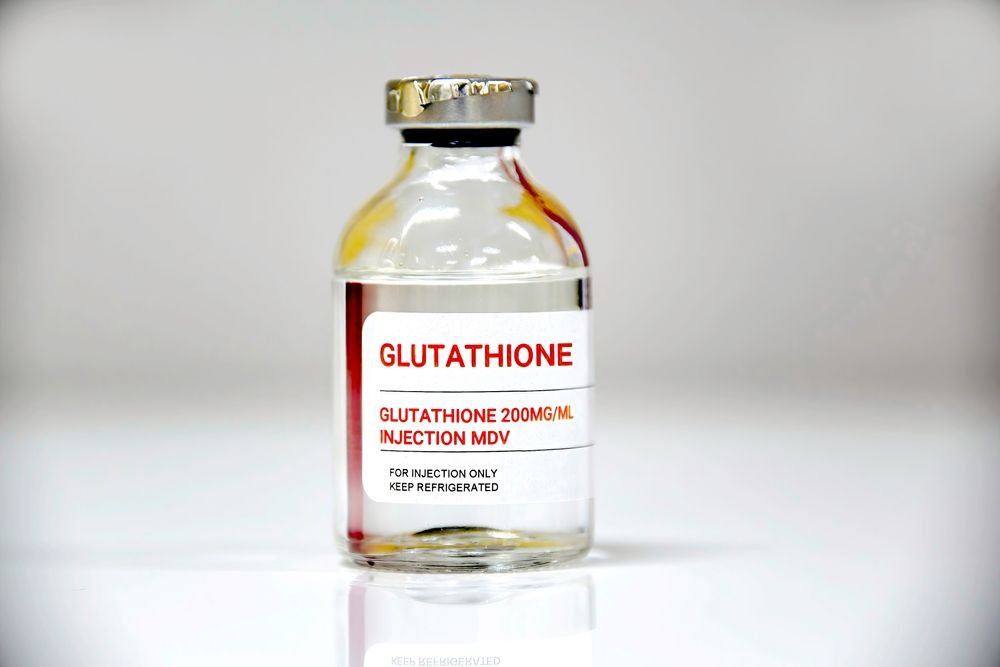
Consume sulfur-rich foods To preserve cysteine and methionine, consume foods rich in sulfur, including the following: Beef Broccoli Brussels sprouts Cauliflower Fish Garlic Kale Mustard greens Onions Poultry Shallots Watercress Consume foods rich in glutathione precursors Glutathione is made up of L-glutamate, glycine, and cysteine
Use gentle upward strokes, paying extra attention to areas with uneven tone or dryness
Eat Glutathione-Precursor Foods While oral glutathione itself has poor bioavailability (it breaks down in the digestive tract), you can support your bodys production by eating: Sulfur-rich vegetables : Garlic, onions, broccoli, Brussels sprouts, cauliflower High-quality protein : Provides cysteine, the rate-limiting amino acid for glutathione synthesis Selenium-rich foods : Brazil nuts, fish, eggsselenium is required for glutathione peroxidase activity Foods high in vitamin C : Support glutathione recycling At TRT Nation, we provide nutritional guidance to all our patients because we know that supplements cant compensate for a poor foundation
Q: Will this cream feel heavy or greasy on my skin
M., Chow, M